
For the First Time in Pakistan Afghan Refugee’s History, RLP Training Begins Under SIRA Project
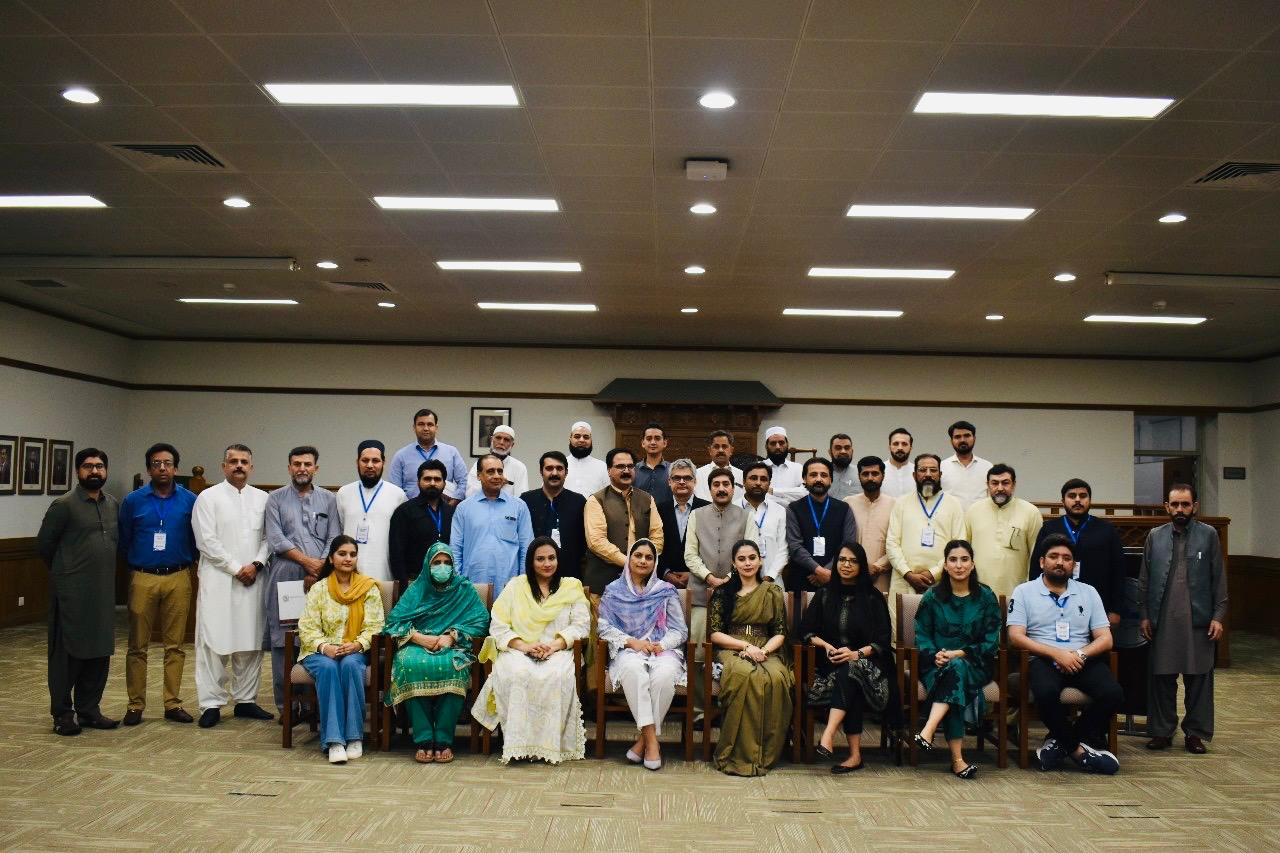
For the First Time in Pakistan Afghan Refugee’s History, RLP Training Begins Under SIRA Project The Strengthening Institutions for Refugees Administration (SIRA) Project has launched for the first time in Pakistan Afghan Refugee’s history, the Refugee Learning Program (RLP), a flagship capacity-building initiative of the Chief Commissionerate for Afghan Refugees (CCAR), under the Ministry of Kashmir Affairs, Gilgit-Baltistan, and States and Frontier Regions (KAGB & SAFRON). A 3-days, first cohort of the RLP training commenced on July 22, 2025, at Lahore University of Management Sciences (LUMS), with 30 participants representing the CCAR, four Provincial Commissionerate for Afghan Refugees, and the Ministry of KAGB & SAFRON. The training is designed to build participants’ understanding of refugee protection, international legal frameworks, refugee-focused communication, durable solutions, and community-based protection principles. Speaking at the opening ceremony, Commissioner Afghan Refugees-Punjab, Mazhar Yasin Khan Wattoo, emphasized the program's significance, “This training marks a historic step towards institutionalizing knowledge and strengthening our frontline capacities to better serve Afghan refugees. By investing in the skills of our officials/officials, we are reaffirming Pakistan’s commitment to human rights-based refugee management in line with international obligations.” While delivering the welcome address, Richard Grindell, Senior Protection Officer, UNHCR Pakistan, emphasized that the protection of refugees was primarily the responsibility of the state, and that UNHCR was focused to support and strengthen capacities in this regard. Project Director, SIRA, Bakht Muhammad Khan said that a total of 210 officials would be trained over the next two months under this initiative. “The RLP has been designed in collaboration with LUMS and key stakeholders, ensuring alignment with Pakistan’s national refugee protection priorities and international best practices,” he added